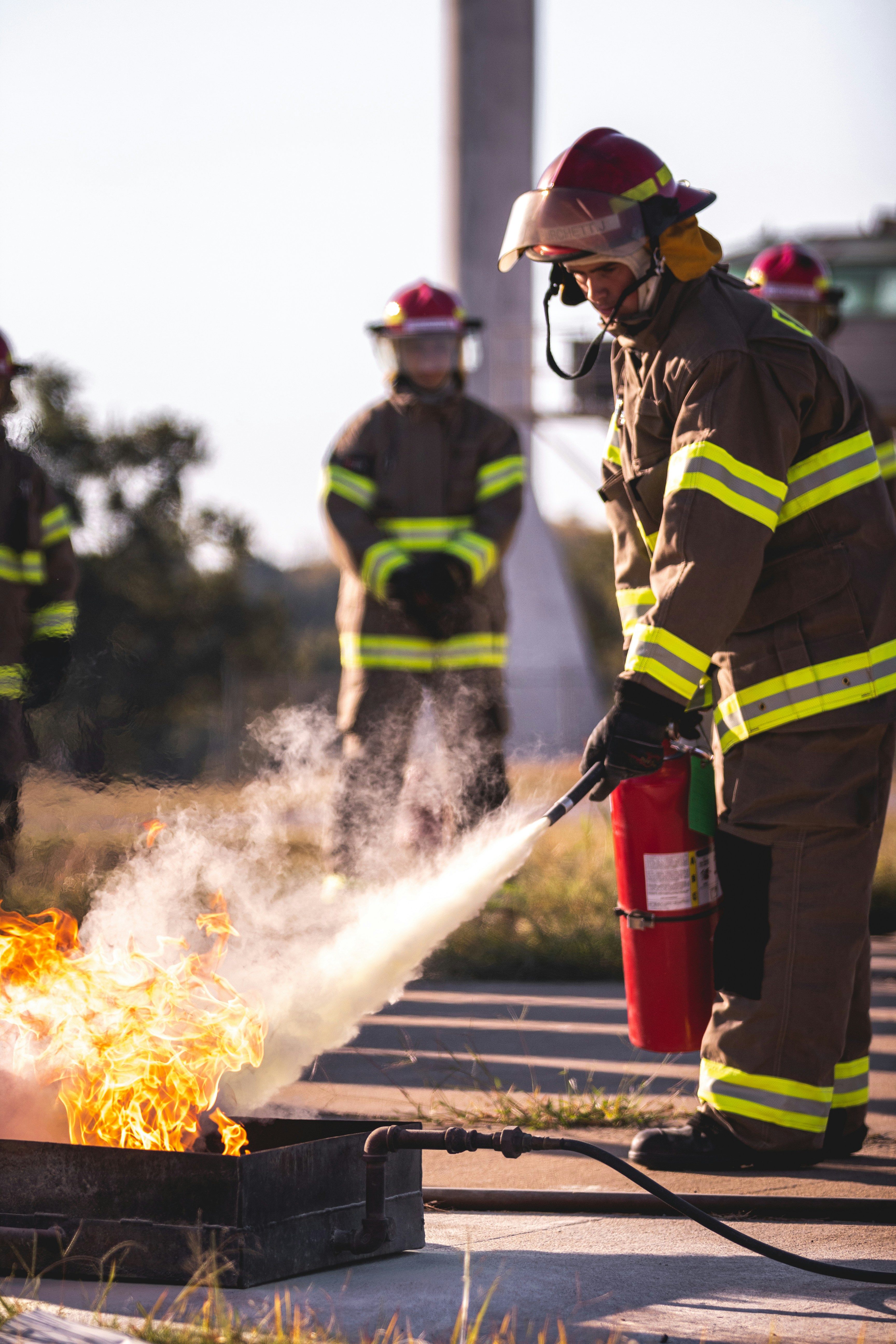
The Basics of Fire Suppression Technology
Fire suppression technology refers to systems designed to detect and extinguish fires before significant damage occurs. These systems play a crucial role in various environments, including residential, commercial, and industrial settings, by efficiently mitigating fire risks. Fire suppression involves not just extinguishing fire but also preventing it from spreading, thus ensuring a safer environment.
The fundamental working principle of fire suppression systems is based on combating the three elements of combustion: heat, fuel, and oxygen. By eliminating or reducing one of these components, fire suppression systems can effectively control and extinguish a fire. This can be achieved through various methods such as water-based sprinklers, foam systems, and gas suppression technologies.
Sprinkler systems are one of the most common fire suppression methods. They operate by automatically detecting heat in a fire scenario and discharging water to suppress the flames. This immediate response can significantly minimize the damage caused by fire. On the other hand, foam suppression systems create a blanket of foam that suffocates the fire, which is particularly useful for liquid fires where traditional water methods might be less effective.
Gas suppression systems utilize inert gases like carbon dioxide or argon to displace oxygen around the fire. This lack of oxygen effectively stifles combustion, making gas suppression an ideal choice for areas containing delicate equipment or valuable assets. Understanding these various fire suppression methods is essential for effective fire risk mitigation and choosing the appropriate system for specific applications.
Types of Fire Suppression Systems
Fire suppression systems are essential for protecting property and lives from the devastating impacts of fire. There exists a variety of fire suppression systems, each designed for specific applications and environments. Understanding the different types available helps in selecting the most suitable method for particular needs.
Water-based suppression systems are among the most widely used methods. These include traditional sprinkler systems and advanced water mist systems. Sprinklers activate in response to heat, releasing water to extinguish flames. Water mist systems, on the other hand, utilize fine water droplets that not only cool the fire but also displace oxygen, thereby smothering it. The primary advantages of these systems are their effectiveness and relatively low cost; however, they may not be suitable in environments where water damage poses a significant risk.
Another category comprises chemical agents, which includes foam extinguishers and dry powder systems. Foam systems are particularly effective for flammable liquid fires, as the foam blankets the fuel, preventing oxygen from sustaining the fire. Dry powder extinguishers are versatile and can tackle various fire types, including those involving metals. The limitation of chemical agents mainly revolves around their cleanup efforts post-incident, which can become a challenge in certain settings.
Finally, gas suppression technologies, such as carbon dioxide (CO2) and inert gas systems, provide a different approach. CO2 systems displace oxygen to extinguish fires, making them suitable for enclosed spaces like server rooms. Inert gas systems, using gases like argon and nitrogen, are effective in protecting sensitive equipment without causing water damage. Despite their efficacy, these systems require careful consideration regarding human safety, as they may deplete oxygen levels in the area being protected.
Innovations and Advancements in Fire Suppression Technology
The landscape of fire suppression technology has undergone significant transformations in recent years, driven by the need for more effective and efficient safety solutions. One of the key innovations is the integration of smart technologies that enhance the responsiveness of fire suppression systems. These systems now feature automated detection mechanisms capable of identifying smoke and heat signatures almost instantaneously. This rapid response significantly reduces the risk of extensive fire damage.
Moreover, advancements in environmentally friendly suppression agents represent a pivotal shift in fire safety protocols. Traditional fire suppression agents often posed risks to both the environment and human health. However, the introduction of biodegradable and non-toxic extinguishing agents has not only improved safety but has also adhered to stricter environmental regulations. The eco-conscious approach of using these agents is increasingly favored across various industries, especially in sectors with high regulatory scrutiny.
Artificial Intelligence (AI) also plays a critical role in modern fire suppression systems. By employing predictive analysis, AI systems can analyze historical data to forecast potential fire hazards, enabling preemptive measures. Machine learning algorithms are continuously evolving, learning from new data inputs to enhance their accuracy and reliability. This predictive capability can lead to significant reductions in fire incidents, particularly in high-risk environments such as industrial sites and urban areas.
The cumulative impact of these innovations not only enhances the effectiveness of fire suppression systems but also encourages a proactive culture of fire safety. Industries, from manufacturing to hospitality, benefit from these advancements as they decrease response times, lower potential damages, and create safer environments for both personnel and assets. As technology continues to evolve, it is expected that the future will bring even more sophisticated solutions that further enhance the efficiency and safety of fire suppression practices.
Challenges and Future Directions in Fire Suppression Systems
Modern fire suppression systems face several significant challenges that must be addressed to enhance their effectiveness and adoption. One of the primary obstacles is regulatory hurdles. Often, fire suppression systems must comply with a complex array of local, national, and international codes and standards, which can be both time-consuming and costly to navigate. These regulations can vary greatly depending on the jurisdiction, making it difficult for manufacturers and installers to ensure compliance across various markets. Thus, streamlined regulations and clearer guidelines could facilitate broader implementation of these crucial safety systems.
In addition to regulatory challenges, the installation costs associated with advanced fire suppression systems can be substantial. This factor is particularly pronounced in older buildings where retrofitting existing infrastructure to accommodate new fire suppression technologies may require significant investment. Maintenance issues also represent a critical challenge. Regular inspections and servicing are essential to ensure that these systems function properly when needed. However, the cost and logistics of maintaining complex fire suppression systems can deter building owners from investing in the necessary resources.
Looking to the future, the fire suppression industry is poised to adopt several innovative trends that may alleviate these challenges. A key area of development is the push for sustainable solutions. As environmental concerns grow, the demand for eco-friendly fire suppression agents and systems that reduce water usage and chemical runoff is on the rise. Furthermore, increased customization of fire suppression systems presents an opportunity to tailor solutions to specific building types and fire risks, enhancing both efficiency and effectiveness.
Research and development will play a pivotal role in addressing the evolving nature of fire hazards, particularly as urban environments and building designs become more complex. Investing in advanced technologies, such as automated fire detection systems and intelligent integration with building management systems, can significantly improve fire response times and minimize damage. Observing these trends will provide insights into how the fire suppression field may develop in the coming years, ensuring that systems remain effective in protecting lives and property.