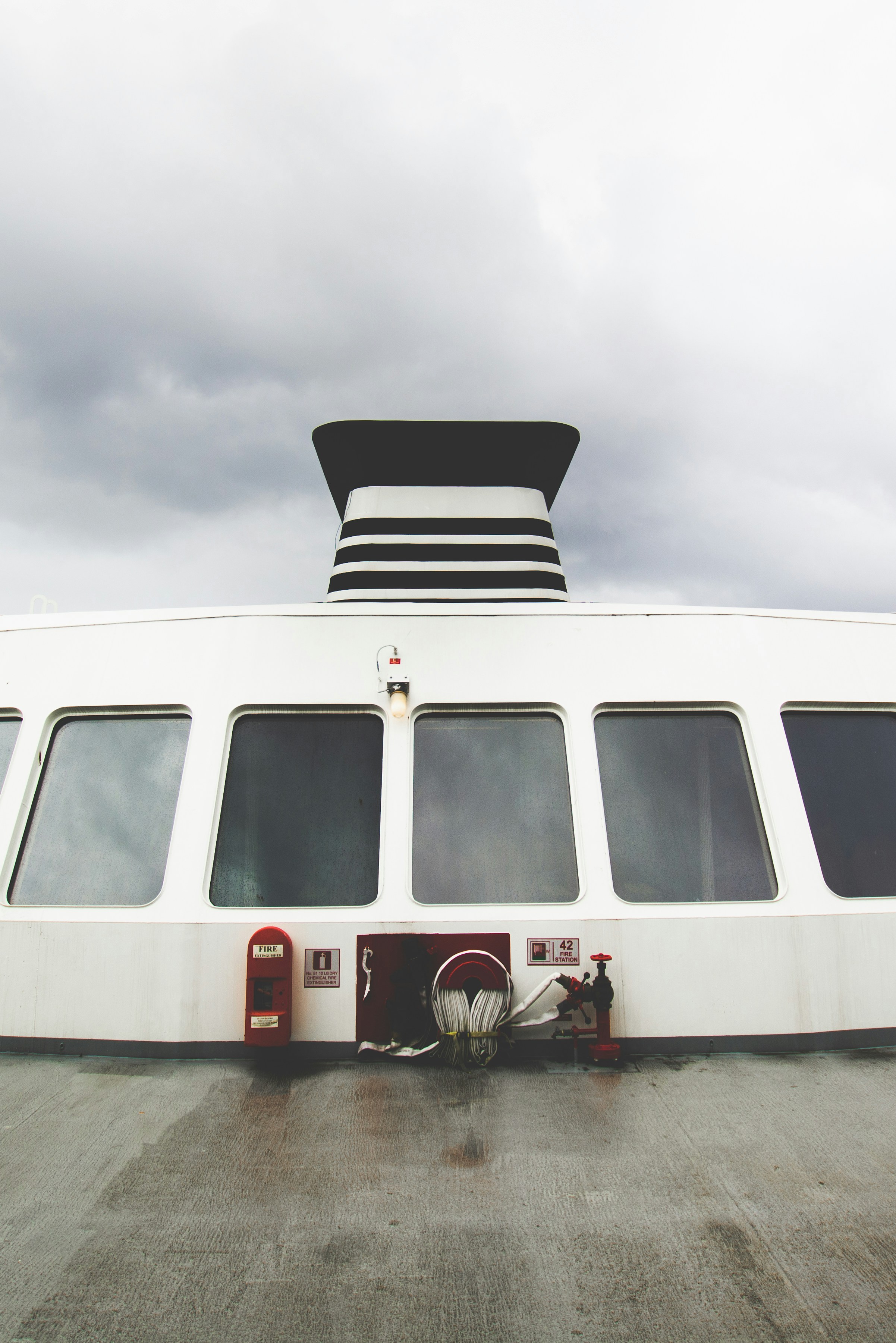
Introduction to Fire Hazards at Sea
Fire hazards on ships pose significant risks, leading to devastating consequences for crew, passengers, and the vessel itself. With the right precautions and strategies, these dangers can be effectively managed. Here, we explore the top five fire hazards on ships and how CHG works to mitigate them.
Top 5 Fire Hazards on Ships
1. Electrical Failures: Faulty wiring and malfunctioning equipment often lead to electrical fires. Proper maintenance and routine inspections are crucial in identifying potential issues.
2. Flammable Materials: The storage of flammable liquids or materials, such as fuel and oil, requires strict adherence to safety protocols to prevent ignition.
3. Galley Fires: The galley is a hotspot for fires due to the presence of cooking equipment. Regular training for crew members on kitchen safety can help minimize this risk.
4. Combustible Cargo: Ships transporting hazardous materials must follow specific regulations to ensure safe handling and stowage.
5. Lack of Fire Detection Systems: Early detection is essential in preventing fire escalation. Ships equipped with reliable fire detection systems can significantly reduce the risk of severe incidents.
How CHG Mitigates Fire Risks
CHG implements comprehensive fire safety management solutions tailored to individual vessels. This includes regular crew training, sophisticated detection technologies, and stringent maintenance protocols, all aimed at minimizing fire hazards on ships.
FAQs About Fire Hazards on Ships
1. What are the common causes of fires on ships?
Common causes include electrical failures, kitchen accidents, and improper storage of flammable materials.
2. How often should fire safety drills be conducted?
Fire safety drills should be conducted regularly, at least every three months, to ensure crew preparedness.
3. What role does maintenance play in fire prevention?
Regular maintenance of electrical systems and equipment is vital for preventing potential fire hazards.
4. Are there specific regulations for transporting hazardous materials?
Yes, there are strict international regulations governing the safe transport and storage of hazardous materials.
5. What should I do in case of a fire on board?
Activate the fire alarm, follow established evacuation procedures, and use onboard fire extinguishers if safe to do so.