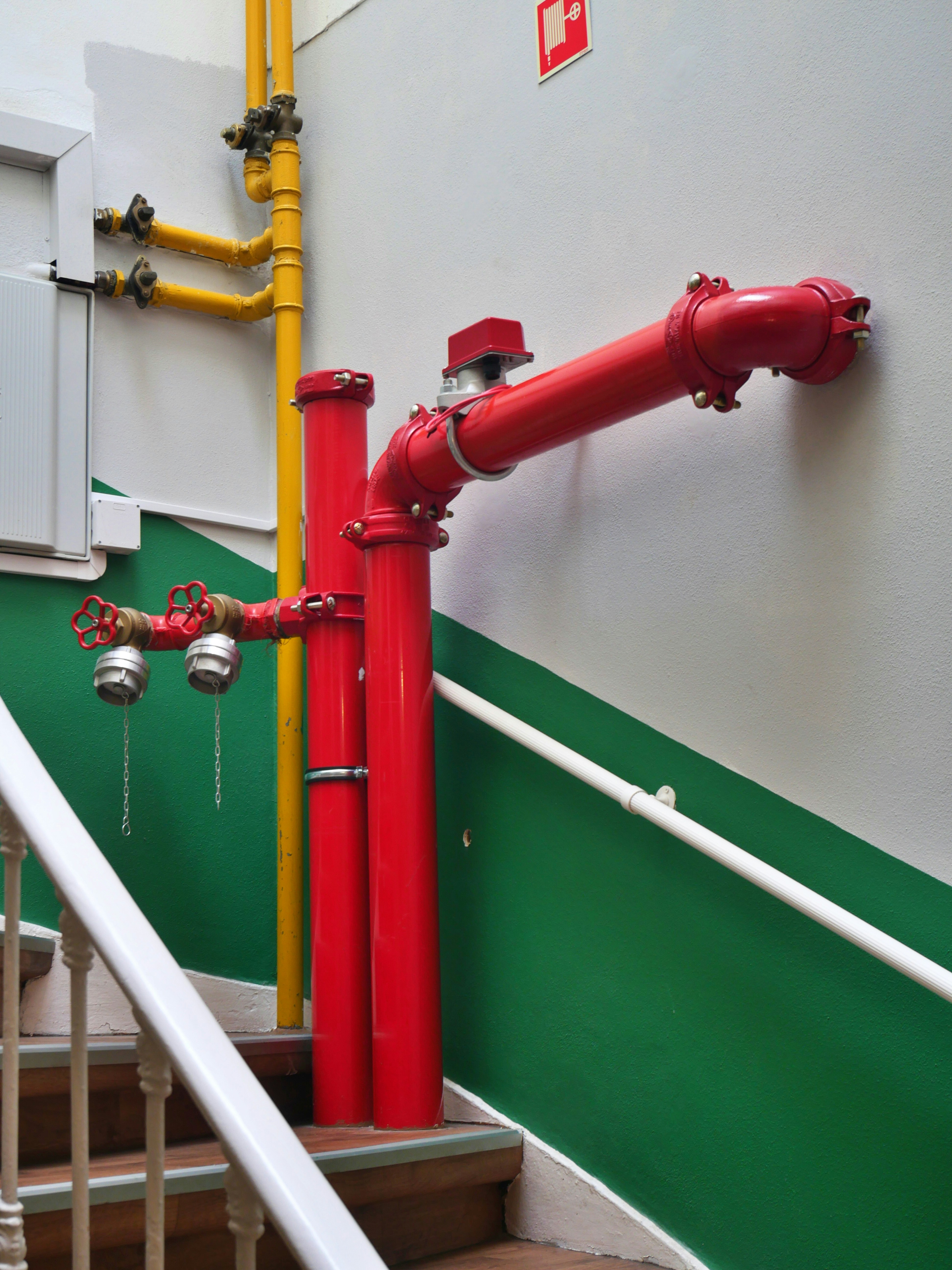
Understanding Integrated Fire and Security Systems
In an era of increasing threats to critical infrastructure, the significance of integrated fire and security systems cannot be overstated. These systems combine fire detection, alarm monitoring, and security controls to offer a comprehensive approach to safeguarding facilities. Effective integration ensures rapid response to emergencies, allowing for the protection of lives and property.
How Do Integrated Systems Function?
By merging various technologies, integrated systems streamline emergency responses. For example, when a fire is detected, alarms are triggered, and security personnel are notified simultaneously. This seamless communication enables a coordinated response, minimizing damage and risk.
7 FAQs About Integrated Fire and Security Systems
1. What are integrated fire and security systems?
Integrated fire and security systems combine fire detection and alarm systems with security measures to enhance overall safety.
2. Why are they vital for critical infrastructure?
They protect essential services, prevent disruptions, and ensure compliance with regulatory standards.
3. How do these systems improve safety?
By providing real-time alerts and coordinated responses, they enhance situational awareness and resource management during emergencies.
4. What technologies are typically integrated?
Common technologies include fire alarms, access control, CCTV, and environmental monitoring systems.
5. How often should these systems be maintained?
Regular maintenance is necessary; typically every six months to ensure reliability and effectiveness.
6. Can integrated systems be customized?
Absolutely! They can be tailored to meet specific needs of different facilities and industries.
7. What are the costs involved?
Costs vary based on technology, installation, and maintenance, but the investment is crucial for long-term safety and protection.