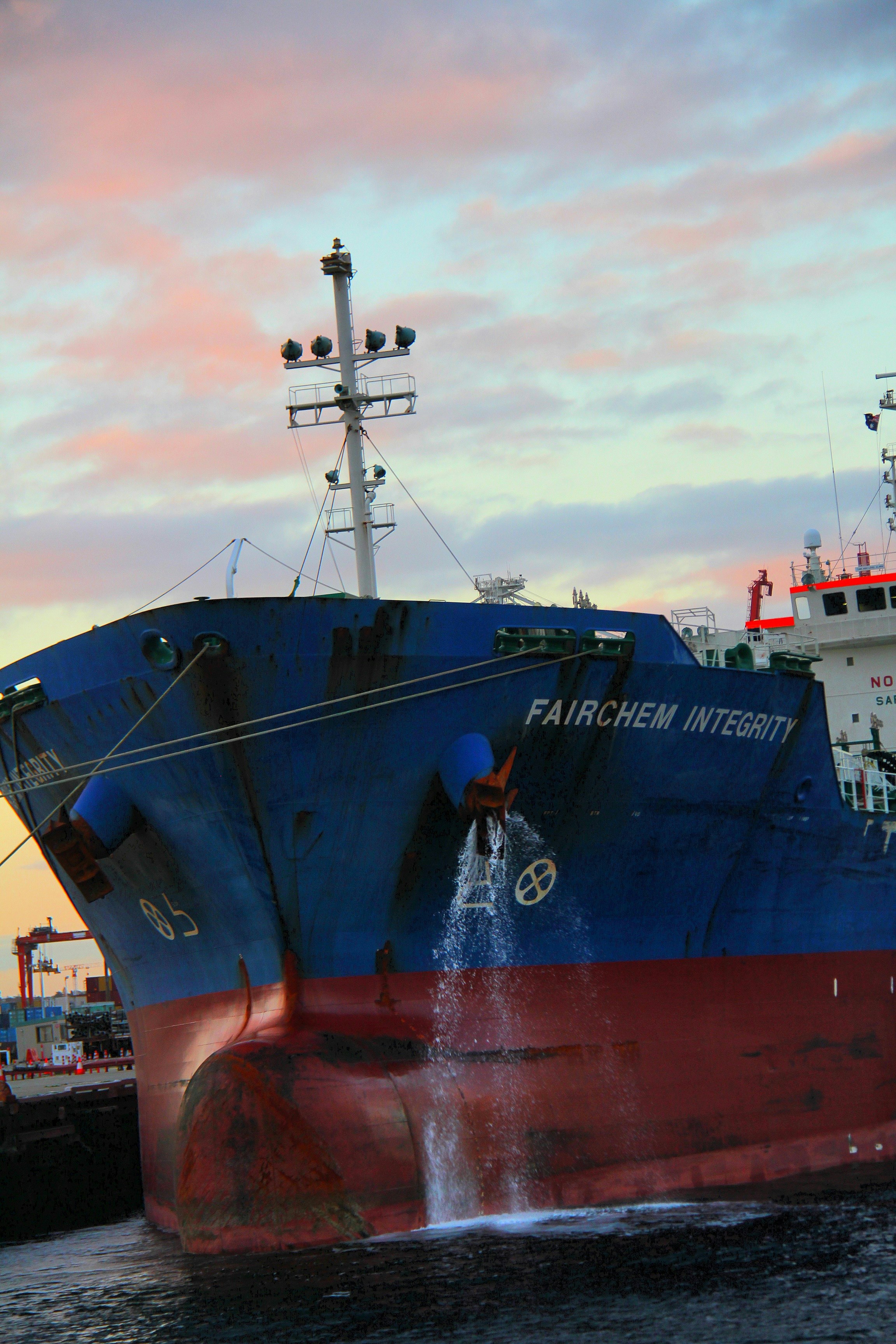
Understanding Ship Fumigation
Ship fumigation is a critical process that helps ensure the safety and compliance of vessels, especially those sailing on international waters. This procedure is designed to eliminate pests and invasive species that can be inadvertently transported across borders. For shipowners and crew, understanding the essential factors involved in maintaining effective fumigation is crucial.
Key Factors for Effective Fumigation
There are several vital factors that impact ship fumigation. Firstly, the timing of fumigation plays a significant role. It is important to conduct fumigation before departure or after unloading cargo. This helps to prevent pest infestations from spreading during voyages. Additionally, proper ventilation is necessary; ensuring sealed areas must be adequately ventilated to allow the fumigants to disperse evenly.
Compliance with International Regulations
Lastly, adhering to international regulations is paramount. Different countries have specific guidelines for ship fumigation that must be followed. Ships must maintain accurate records of fumigation processes to comply with the international standards set by organizations such as the International Maritime Organization (IMO). By doing so, vessels ensure both safety and legal compliance in every port they visit.
In conclusion, maintaining effective ship fumigation involves understanding timing, ensuring proper ventilation, and complying with international regulations. By focusing on these factors, shipowners can protect their vessels and minimize the risk of pest-related issues on international waters.