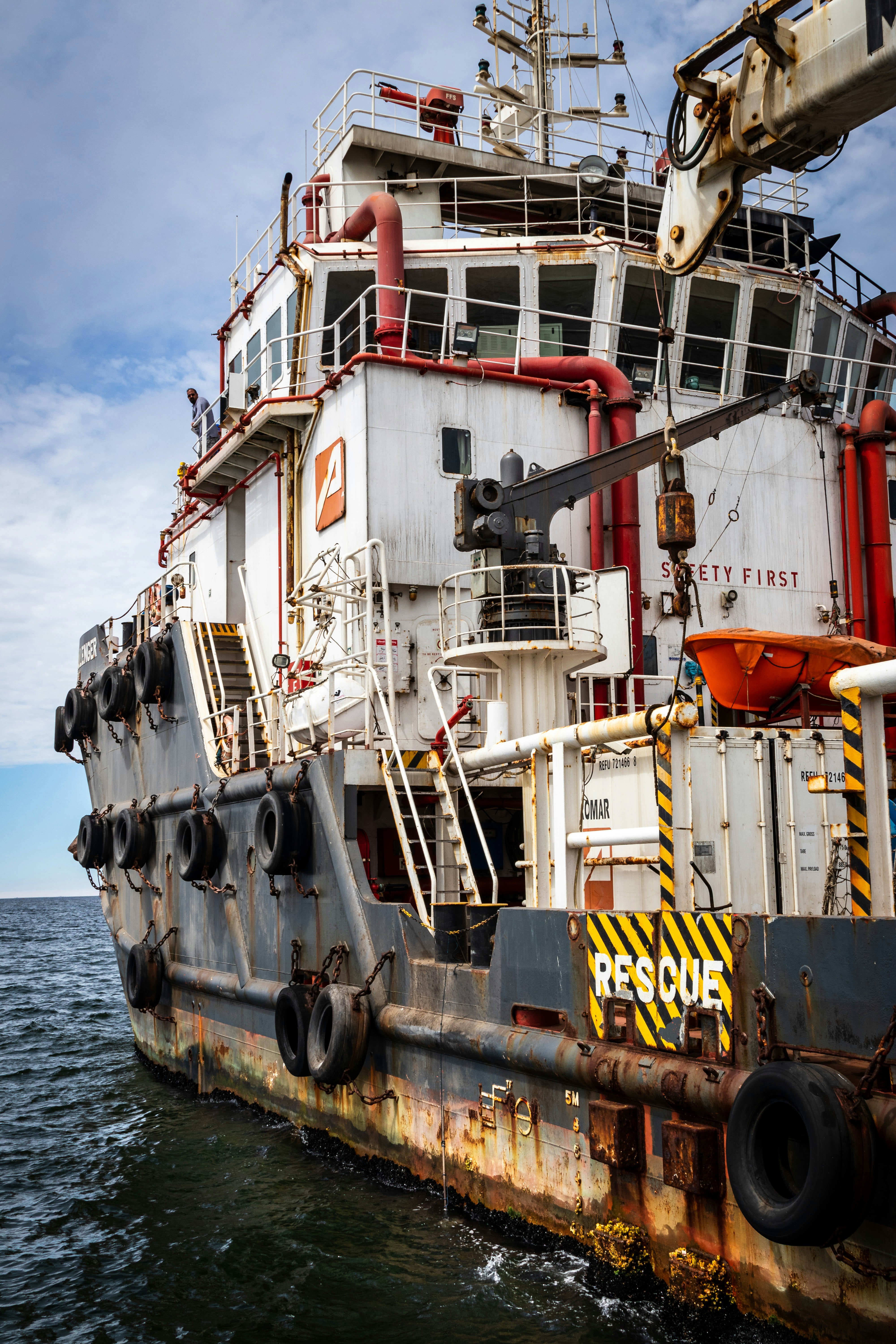
Understanding Marine Fire Safety
In the maritime industry, safety is paramount, especially when it comes to fire hazards. Marine fire safety protocols are essential to protect crew members, vessels, and the environment. Effective training, robust safety systems, and regular drills are crucial in mitigating fire risks at sea.
The Role of Safety Equipment
Marine vessels are required to have an array of fire safety equipment onboard. This includes fire extinguishers, fire alarms, and sprinkler systems designed to efficiently manage potential fire incidents. The proper maintenance and accessibility of these tools can significantly reduce the risks associated with maritime fires.
FAQs About Marine Fire and Safety
Q1: What regulations govern marine fire safety?
The International Maritime Organization (IMO) sets guidelines and regulations regarding fire safety on ships to ensure adherence to safety standards.
Q2: How often should fire drills be conducted?
Fire drills should be conducted regularly, at least once a month, to ensure crew readiness and familiarity with safety procedures.
Q3: What are common causes of fires at sea?
Fires can be caused by electrical faults, fuel leaks, or improper handling of flammable materials, necessitating vigilance and proactive safety measures.
Q4: Are there specific safety certifications required for marine fire safety equipment?
Yes, equipment should meet specific international standards, such as those set by the SOLAS (Safety of Life at Sea) convention.
Q5: How can crew members improve their fire safety knowledge?
Crew members can enhance their knowledge through training courses, workshops, and participating in safety drills to stay updated on the best practices in marine fire safety.