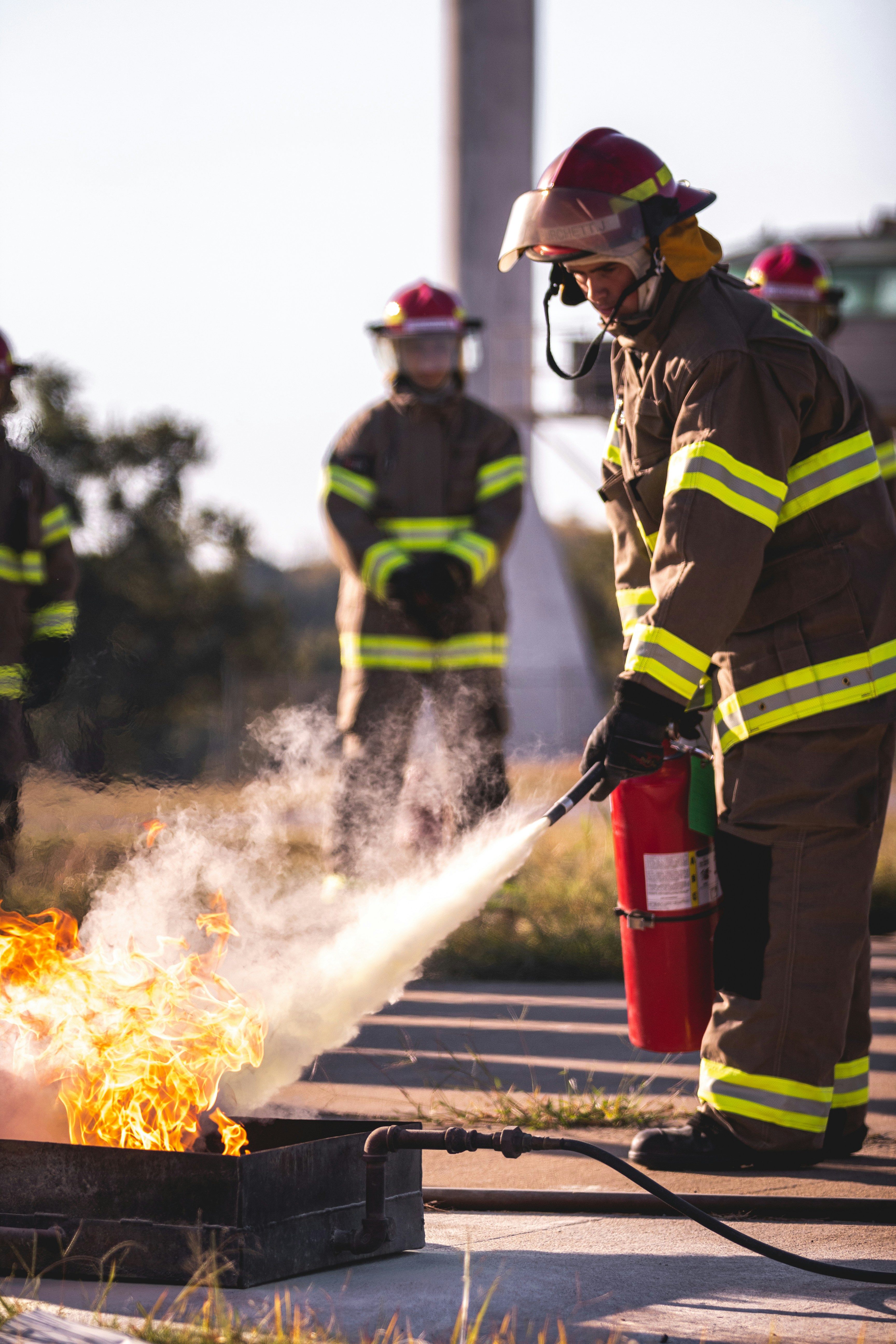
Understanding the Impact of Shipboard Fires
Shipboard fires are among the most perilous situations in maritime environments, significantly jeopardizing human lives, environmental stability, and maritime operations. The impact of these incidents can be catastrophic, often resulting in loss of life, serious injuries, and extensive property damage. According to the International Maritime Organization, there have been hundreds of recorded shipboard fires over the past decade, demonstrating that this issue continues to pose a severe threat.
Major historical examples starkly illustrate the devastating effects of shipboard fires. Incidents such as the fire aboard the MV Estonia in 1994, which resulted in the tragic loss of 852 lives, underscore the life-threatening nature of such events. Similarly, the fire on the MS Zenobia in 1980 led to significant losses, both in human life and economic terms, highlighting vulnerabilities during maritime incidents. These cases not only reveal the immediate dangers but also emphasize the long-term repercussions associated with maritime fires.
Several contributory factors exacerbate the severity of shipboard fires. The flammable materials found on vessels, often including fuel and cargo, increase the intensity of such fires. Poor maintenance, inadequate training of crew members, and insufficient fire safety protocols further heighten the risks associated with shipboard incidents. Environmental considerations are also critical; fires at sea can lead to substantial marine pollution, affecting marine ecosystems and coastal communities. Furthermore, the interruption of maritime operations can have significant economic implications, impacting shipping routes, trade, and supply chains.
From this perspective, enhancing fire safety measures onboard vessels is paramount to mitigate the risks and potential consequences of shipboard fires. Establishing stringent safety regulations, providing thorough training sessions for crew members, and ensuring that fire detection and suppression systems are up to date are crucial steps in preventing these hazardous situations.
Key Lessons Learned from Recent Fire Incidents
Recent fire incidents aboard ships have highlighted critical vulnerabilities within onboard fire safety protocols and procedures. One high-profile incident was the fire aboard the MSC Meraviglia in 2019 while it was docked in France. An electrical fault in the ship’s battery management system led to a fire in the engine room. The quick activation of the fire suppression system minimized the spread of flames and ensured passenger safety. Investigations showcased the importance of regular maintenance and inspection of electrical systems to prevent potential fire hazards.
Another significant case was the fire that broke out on the Ferry Stena Scandica in 2020. The crew’s immediate evacuation and effective use of fire extinguishing equipment played a crucial role in managing the situation. Post-incident reviews revealed weaknesses in training and communication among the crew related to emergency protocols. As a result, ongoing comprehensive training programs were established to ensure all crew members can effectively respond during emergencies.
Additionally, the Viking Sky incident in 2019 serves as a notable example, where the engine room fire rendered the ship without power. Crew members swiftly implemented emergency procedures that included distress signaling, water mist system activation, and coordination with the coast guard for passenger evacuation. The incident emphasized the need for robust risk assessments and continuous development of emergency response drills.
These incidents reflect a series of lessons learned that are applicable to maritime fire safety protocols. Emphasizing proactive maintenance, timely communication, effective crew training, and regular emergency drills can significantly enhance safety measures on ships. By closely examining these events, maritime safety professionals can devise improved strategies to mitigate future fire risks and bolster overall shipboard fire safety.
Best Practices for Fire Prevention and Response on Board Ships
Effective fire prevention and response on board ships requires a comprehensive approach incorporating various best practices. The crew’s training and preparedness play a crucial role in mitigating the risks associated with fire incidents. Regular training sessions should be held to equip crew members with the knowledge and skills necessary to respond effectively in case of a fire outbreak. This training should not only focus on the emergency protocols but also on understanding the ship’s fire systems, including alarms and extinguishing equipment.
Additionally, the implementation of state-of-the-art fire detection and suppression systems significantly enhances shipboard safety. These systems should be routinely inspected and maintained to ensure they are fully operational at all times. Timely identification of potential fire hazards through advanced detection technology can prevent small incidents from escalating into full-blown emergencies.
Safety drills are another vital aspect of fire prevention. Conducting regular fire drills helps familiarize the crew with evacuation routes, emergency equipment, and their roles during a crisis. These drills should simulate realistic scenarios to prepare the crew for various circumstances. Practicing correct responses ensures that crew members can evacuate passengers swiftly while minimizing panic and confusion.
Moreover, adherence to international maritime safety regulations is paramount for effective fire prevention. Vessel operators must stay updated on existing legislation, such as the International Convention for the Safety of Life at Sea (SOLAS), which outlines critical fire safety measures. Compliance with these regulations not only safeguards the lives of those on board but also enhances the overall safety profile of the vessel.
Incorporating these best practices into daily operations will foster a culture of fire safety aboard ships, ultimately reducing the risk of fire incidents and ensuring a well-coordinated response when emergencies occur.
Future Innovations and Technologies in Shipboard Fire Safety
The maritime industry is witnessing a transformational shift in fire safety protocols, driven by emerging technologies and innovative practices aimed at enhancing equipment and operational strategies. The integration of advanced firefighting equipment has significantly evolved, with manufacturers developing systems that utilize automated firefighting technologies. These systems, incorporating high-pressure water mist and foam application, can effectively combat flames with minimized water usage, thus reducing potential damage to ship structures and cargo.
In addition to advanced firefighting methods, digital monitoring systems are being deployed extensively on modern vessels. These systems utilize sensors and artificial intelligence to continuously assess heat levels and smoke conditions in real-time, allowing for quick identification of fire hazards. Such intelligent monitoring not only aids in early detection but also boosts response efficiency by automating alerts to the crew. The capacity to analyze data and predict potential fire scenarios enhances the overall safety measures aboard, creating a proactive environment for fire prevention.
From a design perspective, there has also been a notable shift towards constructing vessels with fire-resistant materials and improved layout designs. By incorporating fire barriers and strategically placing safety equipment within easier reach, shipbuilders can mitigate fire spread and facilitate more effective firefighting efforts. Furthermore, advancements in ventilation management systems can play a pivotal role in smoke control, ensuring that hazardous fumes are minimized and managed correctly during a fire incident.
Overall, these innovations in technologies and design improvements in shipboard fire safety reflect a critical commitment to enhancing maritime safety. By integrating these advancements, the maritime industry not only strengthens its defenses against fire incidents but also fosters a culture of safety that prioritizes the well-being of crew members and passengers alike.
Contact us (083 553 55 88) to learn more, or Visit our center in Lapu lapu cor Roxas Streets GenSan.