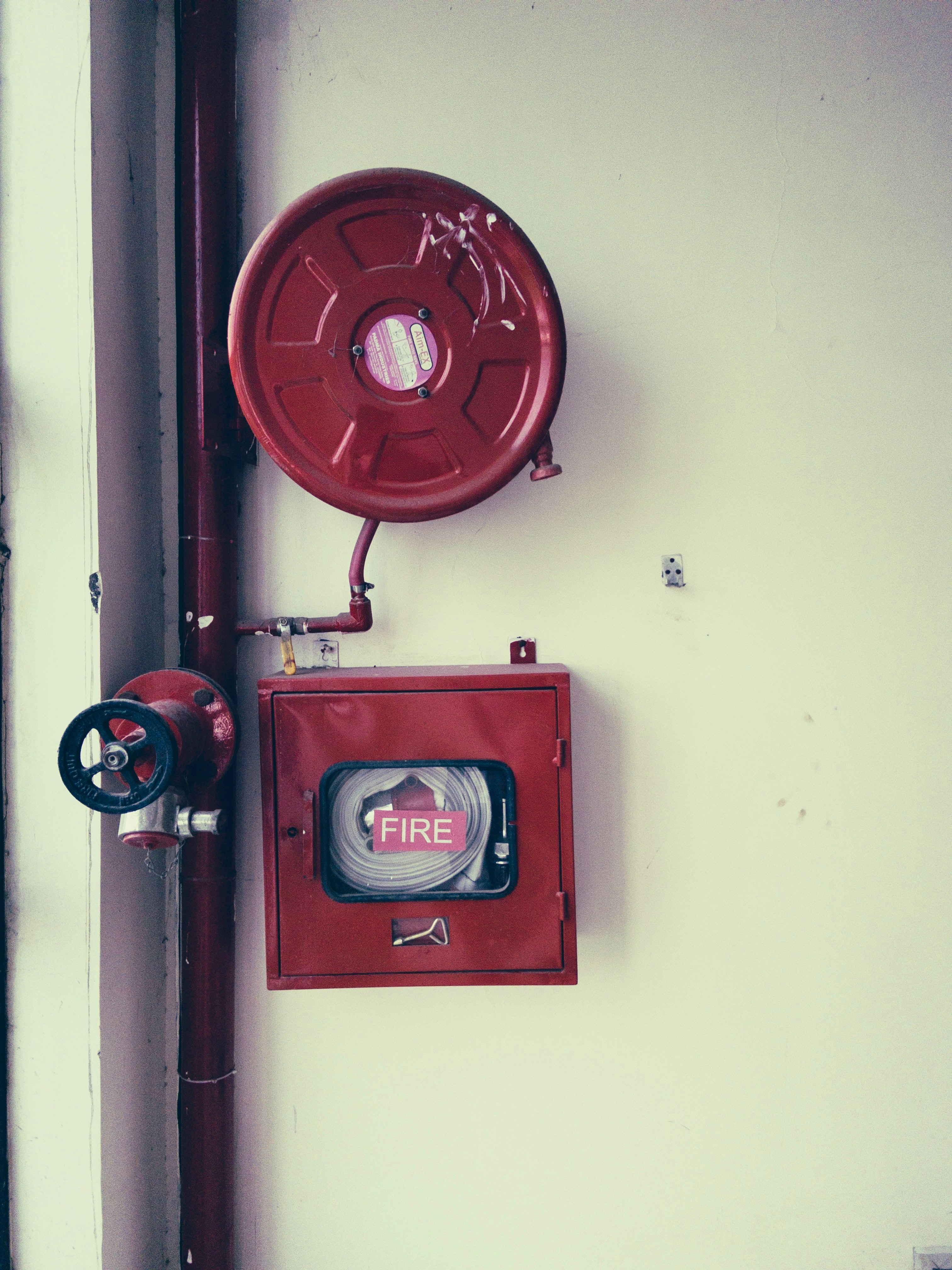
Smoke Detectors: The First Line of Defense
Smoke detectors serve as an essential component of fire safety in any office environment. These devices are crucial for early detection of smoke and fire, potentially saving lives and minimizing property damage. Smoke detectors operate by continuously monitoring the air for signs of smoke particles, utilizing either ionization or photoelectric technology. Ionization smoke detectors are sensitive to fast-flaming fires, while photoelectric models are better at detecting smoldering flames. Hence, selecting the appropriate type for various areas within the office can enhance safety measures.
To ensure maximum effectiveness, smoke detectors should be installed strategically throughout the office, including high-risk areas such as kitchens, server rooms, and storage spaces. It is vital to adhere to the National Fire Protection Association (NFPA) guidelines regarding placement, which typically recommend having at least one smoke detector on every floor and in areas where employees congregate.
Regular maintenance and testing of smoke detectors cannot be overlooked. To maintain functionality, it is advisable to test the devices monthly and replace the batteries at least once a year. Additionally, smoke detectors have a limited lifespan, generally around 10 years; therefore, it is essential to replace older units promptly. An effective fire safety plan in the office should include clear procedures for reporting activation of the smoke detectors and conducting fire drills to ensure everyone knows the appropriate emergency protocols.
In summary, integrating smoke detectors into the office fire safety strategy is not only a regulatory requirement in many jurisdictions but also a fundamental practice that can significantly enhance workplace safety. Their proper installation, ongoing maintenance, and regular testing elevate an office’s preparedness in the face of fire hazards.
Fire Extinguishers: Choosing the Right Type
When selecting fire extinguishers for an office environment, it is crucial to understand the different types available and their appropriate uses. Extinguishers are classified based on the kind of fires they are designed to combat, which can be categorized into several classes: Class A for ordinary combustibles like wood and paper, Class B for flammable liquids, Class C for electrical fires, and Class K for kitchen-related fires involving cooking oils.
The type of fire extinguisher required will often depend on the nature of the office’s activities. For instance, an office primarily dealing with paperwork and general materials might require Class A extinguishers, while those with kitchens or handling flammable liquids could benefit from Class K and Class B extinguishers. It’s imperative to assess the risks present in your specific environment to choose the most effective options.
Legal requirements dictate that offices must have a certain number of fire extinguishers based on the size and layout of the premises. Typically, extinguishers should be located within a distance of 75 feet from any point in the office, ensuring they are easily accessible in case of an emergency. In addition to placement, it is essential that these devices are regularly inspected and maintained to guarantee their operational readiness.
Training staff on how to effectively use fire extinguishers is fundamental. Regular training sessions should be scheduled to ensure that employees are familiar not only with the use of extinguishers but also with the overall fire safety protocol of the office. Practicing with fire extinguishers can help reduce response time in actual fire emergencies, potentially containing a fire before it escalates and safeguarding both lives and property.
Fire Alarms: A Must-Have for Early Warning
Fire alarms play a pivotal role in office fire safety, acting as the primary alert system that notifies occupants of the potential danger. Unlike smoke detectors, which primarily sense smoke particles and trigger alarms when smoke is present, fire alarms are designed to detect various indicators of a fire, including heat and flames. This broader detection capability enhances their effectiveness, ensuring that employees receive early warnings that could save lives and minimize damage.
When selecting a fire alarm system for an office environment, several key features must be taken into account. First, consider the type of fire alarm. There are conventional, addressable, and smart fire alarm systems, each with distinct advantages. Addressable systems, for example, provide more detailed information about the location of the fire, allowing for a quicker response. Furthermore, look for systems that are equipped with visual alerts for individuals with hearing impairments, ensuring inclusivity in safety measures.
Integrating fire alarms into a comprehensive fire safety plan is crucial. This involves not only installing alarms in strategic locations throughout the office—such as hallways, conference rooms, and near exits—but also planning escape routes and conducting regular fire drills. It can be beneficial to work with fire safety professionals to ensure compliance with local regulations and effectiveness of the installations.
Lastly, the importance of ongoing maintenance and testing of fire alarms cannot be overstated. Regular inspections ensure that these critical devices function optimally when needed. Surging advancements in fire technology mean that periodic updates and replacements may be necessary to keep up with safety standards. Ultimately, a well-maintained fire alarm system is a foundational element of office fire safety, enabling swift alerts that could save lives and property.
Emergency Exit Signs and Lighting: Guiding You to Safety
In any office space, ensuring the safety of employees during emergencies is paramount. One of the critical components of emergency preparedness is the installation of effective emergency exit signs and lighting. These devices serve as essential navigational aids, guiding individuals toward exits when visibility may be compromised due to smoke or power outages.
Regulations governing exit signage vary by jurisdiction but generally focus on ensuring that exit signs are clearly visible and properly illuminated at all times. The Occupational Safety and Health Administration (OSHA) mandates that workplaces maintain adequately marked exits. This often means placing signs above every exit, in addition to indicating the direction of the nearest exit from any location within the office. Utilizing materials that are photoluminescent or equipped with LED lights can enhance visibility, especially in low-light conditions.
A well-planned strategy for positioning exit signs is crucial for maximizing their effectiveness. Signs should be placed at regular intervals and in clear sightlines, ensuring that employees can easily identify them during a crisis. Exit pathways should be unobstructed and well-lit, which requires integrating emergency lighting systems. These systems automatically activate during a power failure, illuminating exit routes and helping to maintain order as individuals navigate towards safety.
Regular maintenance checks are essential to ensure that emergency exit signs and lighting systems are functioning properly. This includes testing lights, replacing bulbs, and cleaning the signs to remove obstructions or dirt that may hinder visibility. By investing in emergency exit signs and lighting, organizations prioritize the safety and well-being of their employees, making a significant contribution to their overall fire safety strategy.
Contact us (083 553 55 88) to learn more, or Visit our center in Lapu lapu cor Roxas Streets GenSan.
Because every office/home deserves protection, and every family deserves peace.