Understanding Automation and Security Systems
Automation and security systems have emerged as critical components in modern residential and commercial environments, enhancing safety and efficiency. At the core of these systems are smart technologies, which encompass a wide range of devices and solutions designed to automate processes and bolster security. These technologies utilize advanced sensors, artificial intelligence, and connectivity to streamline operations, providing seamless interactions for users.
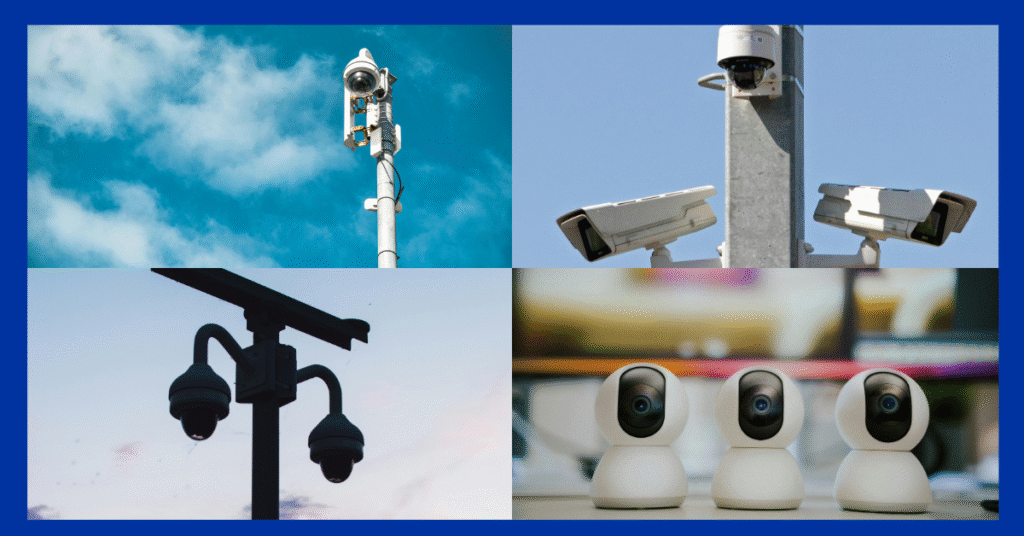
Among the essential components of security systems are motion detectors. These devices play a vital role in recognizing unwanted intrusions by detecting movement within a designated area. Upon identifying activity, they can trigger alarms or send alerts to the property owner, thereby instantly fortifying safety measures. Surveillance cameras, another integral part of these systems, offer real-time monitoring capabilities. With the evolution of technology, modern cameras come equipped with features such as high-definition video, night vision, and remote access, allowing users to monitor their properties from virtually anywhere.
Smart locks represent another innovation in the realm of security, providing enhanced access control. Unlike traditional locks, smart locks can be operated remotely, allowing homeowners and businesses to lock or unlock doors via smartphone applications. This convenience not only improves security but also enhances overall user experience. Moreover, automated lighting systems and alarms further exemplify the harmonization of automation and security. Automated lighting can deter potential intruders by creating the illusion of occupancy, while alarms serve as an immediate response mechanism to breaches.
Integrating these technologies within residential and commercial settings leads to numerous benefits, including increased safety, convenience, and efficiency. The combination of automation and security systems ensures that properties are protected and that users enjoy enhanced control over their environments. By harnessing these advanced solutions, individuals can significantly improve their security measures while also streamlining everyday operations.
Features and Functionality of Smart Security Systems
Modern security systems have evolved significantly, incorporating advanced features that enhance both safety and user convenience. One of the most prominent components of these systems is the motion detector. These devices are designed to sense movement within a designated area and can be integrated with security cameras and alarms to trigger alerts when suspicious activity is detected. By utilizing infrared technology or passive infrared sensors, these detectors can differentiate between human movement and other forms of motion, ensuring false alarms are minimized.
Surveillance cameras play a crucial role in contemporary security. Equipped with features such as high-definition video capture, night vision, and remote viewing capabilities, these cameras allow users to monitor their premises in real-time. Many modern security cameras can be connected to a central unit or a smartphone app, enabling users to receive instant notifications if motion is detected or if unusual behavior is observed. Integration with artificial intelligence further enhances these systems by providing features such as facial recognition, which adds an additional layer of security.
Another key feature of smart security systems is the smart lock, which offers a higher level of security compared to traditional locks. These locks can be operated remotely via smartphone apps, allowing users to grant access to authorized individuals even when they are away from home. Smart locks can also record entry and exit logs, providing valuable information about who accessed the premises and when. This functionality integrates seamlessly with overall security systems to improve access control.
Automated alarm systems are essential in the broader landscape of smart security solutions. These systems can be programmed to activate in response to various triggers, such as breached motion detection zones or tampered smart locks. Users can often customize settings through mobile applications, creating tailored alerts based on their preferences. Through this integration of devices and smart technology, individuals can maintain a high level of security while enjoying the convenience of remote management.
Proactive Protection: Real-Time Monitoring and Automated Responses
In today’s fast-paced technological landscape, the integration of real-time monitoring into security systems has proven to be crucial for enhancing safety and efficiency. Continuous surveillance allows organizations and individuals to identify potential threats such as intrusions, fire hazards, and other emergencies at the earliest possible stage. By leveraging advanced technology, this proactive protection strategy creates a robust security framework that not only deters incidents but also facilitates timely responses.
Modern security systems utilize an array of sophisticated tools for real-time monitoring. This includes high-definition cameras, motion detectors, and environmental sensors, all of which work in unison to create a comprehensive surveillance network. Through seamless connectivity, these devices communicate critical data back to a centralized system, allowing for immediate analysis. The ability to monitor premises continuously means that any alarming activity can be detected as soon as it occurs, significantly reducing the time between threat recognition and response.
Moreover, automated responses play an essential role in reinforcing the effectiveness of real-time monitoring. Many security solutions feature pre-programmed actions that are triggered by specific events. For example, a security system might be set to send instant alerts or notifications to designated personnel if unauthorized movement is detected in a restricted area. Additionally, some advanced systems can even take direct action, such as locking doors or activating alarm systems, thereby replicating human-like judgment in times of crisis.
This combination of real-time monitoring and automated responses transforms traditional security measures into smart systems capable of addressing threats proactively. Not only does this enhance overall safety, but it also instills confidence among stakeholders knowing they are supported by technology that reacts without delay. The integration of these features represents a significant leap forward in the realm of security, demonstrating the necessity for modern safety solutions to evolve alongside emerging threats.
Frequently Asked Questions About Automation and Security Systems
Automation and security systems are becoming increasingly popular, and with their rise, numerous questions have emerged from potential users. This section aims to address some of the most frequently asked questions related to these technologies.
One common inquiry revolves around the types of automation and security systems available. Depending on personal needs, users can choose from various options, including smart home systems, security cameras, and alarm systems. Smart home systems can automate tasks such as lighting or heating, while comprehensive security systems integrate multiple elements to provide holistic protection.
The installation process for these systems often varies based on the complexity of the technology. Simple plug-and-play devices typically require minimal effort and can often be set up by the user themselves. In contrast, more advanced systems may necessitate professional installation to ensure optimal functionality and compatibility with existing home systems. Thus, potential users are encouraged to assess their comfort level with technology to determine the best installation route.
Another significant consideration is potential costs. The investment required for automation and security systems can vary widely based on the features selected and the scale of the installation. While basic systems may be affordable, high-end solutions with numerous advanced functionalities can be considerably more expensive. It is advisable for users to create a budget before exploring options, as this can guide their choices effectively.
Compatibility with existing home systems is another crucial aspect that potential users should contemplate. Many modern automation and security systems are designed with versatility in mind, enabling them to integrate seamlessly with existing technologies. However, it is important to verify compatibility prior to purchase, as discrepancies can lead to operational issues.
Finally, when selecting the right system for different security needs, users should evaluate factors such as property size, location, and specific security concerns. A tailored approach ensures that users not only improve security but also enhance overall efficiency.