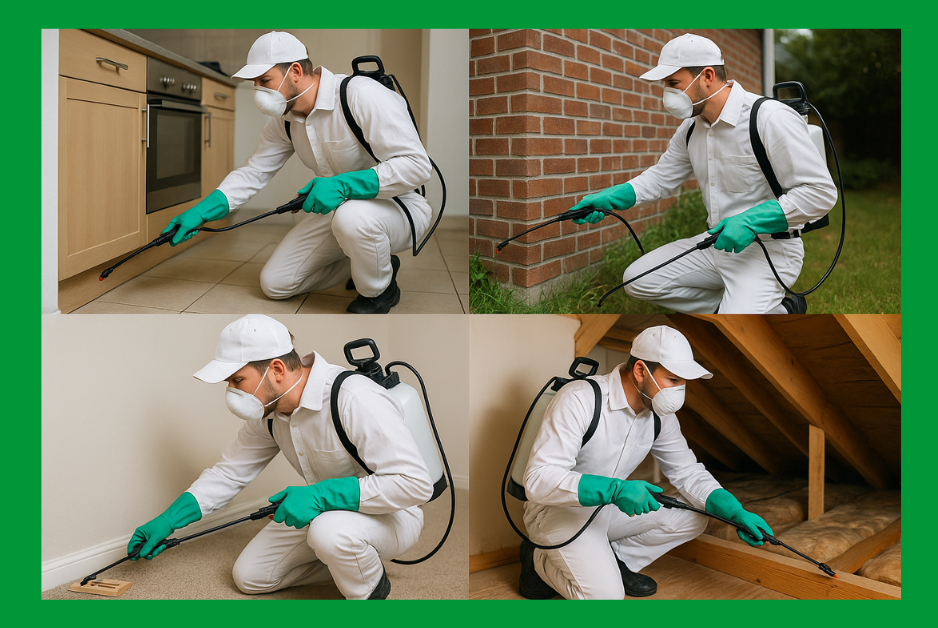
Understanding Pest Control Management
Pest control management is a systematic approach to preventing and managing infestations of pests that threaten human health, property, and the environment. It encompasses a variety of strategies and practices aimed at reducing or eliminating the presence of destructive organisms. These pests can include insects, rodents, and other wildlife that invade residential, commercial, and agricultural settings. Their presence often signifies a disruption in the ecological balance of an area and can pose significant risks to both individuals and communities.
The importance of effective pest control cannot be overstated, as pests are known to cause extensive damage to structures, crops, and equipment, leading to financial losses for businesses and homeowners alike. In addition, many pests are vectors for diseases that can be transmitted to humans and animals. For example, rodents can carry diseases such as hantavirus and leptospirosis, while insects like cockroaches can exacerbate allergy complications and asthma. Moreover, pests can contaminate food supplies, making pest control crucial for ensuring public health and food safety.
Understanding the characteristics of common pests is essential in developing effective management strategies. Insects, which include ants, termites, and bedbugs, can infiltrate homes and businesses and can reproduce rapidly. Rodents, such as mice and rats, are not only destructive chewers but are also known to seek shelter in cozy environments, often leading to significant infestations. Agricultural settings face unique challenges, as pests can decimate crops and lead to reduced yields, affecting food supply chain and economic stability.
In summary, implementing comprehensive pest control management is vital for creating and maintaining a safe, healthy, and sustainable environment. By recognizing the various types of pests and understanding their impacts, individuals and organizations can take proactive measures to prevent infestations and protect their well-being.
Proactive Strategies for Pest Prevention
Pest control management starts with a proactive approach that emphasizes prevention over reaction. Identifying and implementing effective strategies can significantly mitigate the risk of pest infestations. One of the most fundamental practices in this regard is conducting regular inspections of properties. These inspections enable property owners to detect early signs of pest activity, such as droppings, nesting materials, or visible damage. By addressing these warnings promptly, individuals can prevent minor issues from escalating into large-scale infestations that require more comprehensive pest control measures.
Another crucial aspect of pest prevention is maintaining proper sanitation within the living environment. Eliminating potential food sources and water access will make a property less appealing to pests. This includes promptly cleaning up spills, securing food in airtight containers, and ensuring that trash bins are covered. Regular cleaning routines can dramatically decrease the likelihood of attracting unwanted pests, ultimately easing the burden on future pest control efforts. Alongside sanitation, homeowners should also be vigilant about outdoor areas. Regularly disposing of standing water and managing garden maintenance can deter pests like mosquitoes and rodents from settling in.
Sealing entry points is equally important in maintaining a pest-free environment. Inspecting the exterior of buildings for cracks, gaps, or openings can reveal potential entryways for pests. Utilizing caulk and weather stripping allows property owners to effectively block these access points, creating a formidable barrier to prevent pests from entering. In addition to these strategies, using fine mesh screens on windows and vents can further protect against insect invasions while promoting adequate ventilation.
The adoption of these proactive strategies forms the backbone of effective pest control management, fostering a healthier living space while reducing the need for more aggressive pest management tactics in the future.
Monitoring and Treatment Options
Effective pest control begins with diligent monitoring of pest activity to identify potential infestations early on. Regular inspections of both the interior and exterior of a property can reveal signs of pests, such as droppings, nests, or damage to structures. Establishing a routine monitoring schedule is crucial for maintaining a pest-free environment, as it enables homeowners and managers to track changes in pest populations over time. By recognizing patterns of pest behavior, individuals can make informed decisions regarding treatment options, ultimately preventing larger infestations from developing.
One of the most effective strategies in modern pest control is Integrated Pest Management (IPM). This approach combines multiple techniques geared towards pest prevention and treatment. IPM emphasizes the importance of understanding the life cycles and behaviors of pests, which allows for strategic interventions. For instance, minimizing conducive conditions through proper sanitation, sealing entry points, and reducing standing water can often deter pest colonization before treatment is necessary. When intervention is required, IPM utilizes a combination of mechanical, biological, and chemical controls, ensuring a balanced and environmentally responsible approach to pest management.
Among the various treatment options available, safe and targeted treatments are paramount. These methods prioritize the health of people and pets by minimizing exposure to hazardous chemicals. For instance, using traps or baits can effectively reduce pest populations while limiting risks associated with broad-spectrum pesticides. Furthermore, engaging professional pest control services can enhance the efficacy of treatment. Trained pest management professionals possess the knowledge and tools to assess the unique needs of a property, implement advanced eradication techniques, and monitor the long-term effectiveness of the strategies employed.
In conclusion, implementing thorough monitoring practices and exploring a variety of treatment options, particularly through the lens of Integrated Pest Management, can create a robust framework for effective pest control. By adopting these strategies, property owners can foster a healthier environment while ensuring that pest populations are effectively managed and controlled.
FAQs about Pest Control Management
Effective pest control management is essential for maintaining a healthy and safe environment. Many individuals find themselves seeking answers to common questions regarding pest management practices and solutions. This section addresses some of the frequently asked questions related to pest control.
One of the best practices for maintaining a pest-free environment is to adopt proactive measures, which includes proper sanitation, sealing entry points, and regularly inspecting the premises for potential pest activity. Clear your surroundings of food debris and stagnant water to eliminate attractive habitats for pests. Regular maintenance tasks, such as lawn care and removing clutter, also contribute significantly to deterring pests.
Another common question revolves around the differences between DIY methods and professional pest control services. While DIY techniques, such as traps and household sprays, can be effective for minor infestations, they often lack the comprehensive approach required for significant pest issues. Professional pest control services have access to specialized tools and knowledge, enabling them to provide more effective long-term solutions and address underlying problems, thus ensuring a systematic removal of pests.
Identifying a pest problem early is crucial to successful management. Common signs may include droppings, nesting materials, and signs of damage to property. Understanding the specific type of pest you are dealing with is vital, as different pests require tailored management strategies. For example, the presence of termites commands immediate attention due to their potential to cause structural damage.
Moreover, pests can pose various risks, including health hazards, property damage, and contamination of food and surfaces. A proactive approach to pest control can help minimize these risks and maintain a healthier living or working environment.
To ensure long-term effectiveness in pest management, it’s advisable to continuously monitor your environment, maintain cleanliness, and regularly review preventative measures. Staying informed on common pest behaviors can empower individuals to take timely actions and make informed decisions regarding professional pest control services as necessary.