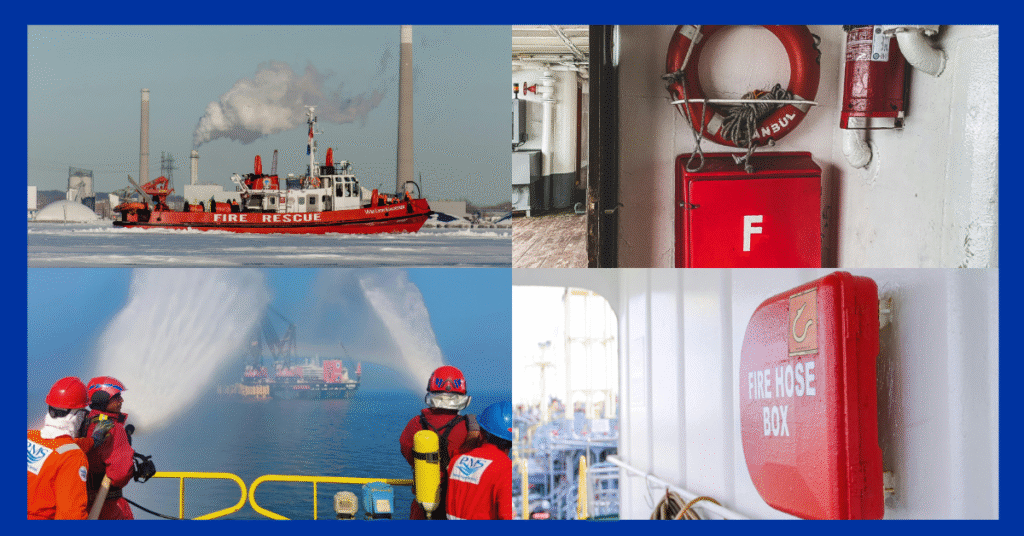
Understanding Fire Risks in Marine Environments
Marine environments present specific challenges in terms of fire safety that are essential to comprehend for effective prevention and response strategies. The unique characteristics of ships, boats, and offshore platforms significantly influence the types of fire risks encountered. One prominent factor is confined spaces, which are commonly found in various areas such as engine rooms, cargo holds, and storage areas. These spaces can limit the movement of personnel during emergencies, making it difficult to respond swiftly and effectively.
Additionally, the presence of flammable materials is a critical consideration in marine fire safety. Ships often transport or store hazardous substances, including fuels, chemicals, and oils. Inadequate management of these materials increases the potential for ignition and the subsequent spread of fire. The importance of stringent guidelines regarding the storage, handling, and disposal of these flammable substances cannot be overstated, as oversight can lead to catastrophic consequences.
The complexity of onboard systems adds another layer of risk concerning fire safety. Vessels are equipped with intricate electrical and mechanical systems, which, if not properly maintained, can create situations ripe for fire outbreaks. Faulty wiring, overheating machinery, or malfunctioning equipment are all contributing factors that may lead to dangerous flames. Understanding the intricacies of these onboard systems is vital for identifying potential hazards and implementing proactive measures to mitigate risks.
Moreover, the dynamic nature of marine operations, including the effects of wind and water, can exacerbate fire situations. It becomes increasingly crucial for crew members to be trained in fire response procedures to navigate such challenges effectively. As conditions at sea can change rapidly, having a solid grasp of the fire risks inherent to marine environments is essential for safeguarding crew and vessel alike, highlighting the need for ongoing education and preparedness in marine fire safety.
Key Preventative Measures for Fire Safety
Ensuring effective marine fire safety aboard ships, boats, and offshore platforms begins with the implementation of essential preventative measures. One of the critical areas of focus is the proper maintenance of electrical systems. Regular inspections should be carried out to identify any frayed wires, faulty connections, or potential short circuits, which are significant fire hazards. Maintaining a clear understanding of the integrity of electrical installations can help prevent ignition sources that lead to onboard fires.
Another vital aspect of fire safety is the safe handling and storage of fuel. Fuel leaks or spills can easily ignite, leading to catastrophic fires. Consequently, personnel must be trained in the correct fuel-handling procedures. This includes ensuring proper ventilation in fuel storage areas, utilizing spill containment measures, and immediately addressing any signs of fuel leakage. By combining proper storage practices with regular checks, the risk of fire can be greatly minimized.
Regular fire drills are also an indispensable part of a robust marine fire safety protocol. Conducting fire drills helps familiarize the crew with emergency response procedures, including evacuation routes, use of firefighting equipment, and overall firefighting strategies. These drills reinforce the importance of teamwork and effective communication in emergencies, ensuring that all crew members can confidently act in the event of a fire.
Lastly, it is crucial to have appropriate firefighting equipment readily available onboard. Fire extinguishers, fire hoses, and suppression systems should be positioned strategically throughout the vessel or platform and must be frequently inspected and maintained to ensure functionality. Understanding the specifics of each firefighting tool and knowing when to deploy them can save lives and property. Through comprehensive training and preparedness, marine fire safety standards can significantly reduce the risk and impact of fires at sea.
Responding to a Fire Emergency
In the event of a fire aboard a vessel, the swift and coordinated response of crew members is crucial for minimizing risks and ensuring safety. The first step in responding to a fire emergency involves isolating the fire source. Crew members should locate the nearest fire extinguishing equipment and ensure that the area surrounding the fire is evacuated to prevent smoke inhalation and potential injuries. Early identification of the burning material can also aid in selecting the appropriate fire extinguisher to use, whether it’s a water-based, foam, or dry chemical extinguisher.
Once the crew has initiated an isolation of the fire, it is imperative to alert other personnel immediately. A well-practiced protocol should be in place to notify everyone aboard. This includes activating alarms and communicating with team members through established channels. Proper and immediate notification can facilitate a faster response and help in coordinating evacuation if necessary. Depending on the severity of the situation, the crew should assess risks and decide whether to combat the fire or abandon the area.
Following specific emergency protocols is of utmost importance. Each vessel should maintain a detailed emergency plan that outlines the steps to take in case of a fire threat. Familiarity with this plan can enhance the crew’s confidence and effectiveness during an emergency. Regular training drills should be conducted to ensure that crew members are well-acquainted with their roles and responsibilities, as well as the location and operation of firefighting equipment. Such proactive measures are integral to the concept of marine fire safety, and they prepare crew members to respond decisively in the event of a fire emergency.
Frequently Asked Questions About Marine Fire Safety
Understanding marine fire safety is essential for ensuring the well-being of crew members and minimizing damage aboard ships, boats, and offshore platforms. Below are answers to some of the most common questions regarding fire safety in maritime environments.
What types of firefighting equipment are required on vessels? The maritime industry mandates various firefighting tools on vessels, depending on their size and type. Essential equipment typically includes fire extinguishers, hoses, and water monitors. It is crucial that all equipment is easily accessible and regularly maintained to guarantee functionality in emergencies. Specific requirements may vary based on vessel classification and operational area, so consulting maritime safety regulations is advisable.
How often should fire drills be conducted? Regular fire drills are vital for maintaining crew preparedness and ensuring rapid response in case of an actual incident. It is recommended that fire drills be conducted at least once every month, with thorough evaluations after each drill to identify areas of improvement. These exercises should include all crew members, regardless of their role, to foster teamwork and reinforce marine fire safety protocols.
What role does crew training play in fire preparedness? Crew training is the cornerstone of effective marine fire safety. A well-informed crew is crucial in recognizing potential fire hazards, executing escape plans, and utilizing firefighting equipment competently. Training sessions should cover emergency procedures, familiarization with equipment, and first aid measures, ensuring that every crew member understands their responsibilities during a fire incident.
What should one do before help arrives in case of a fire? In the event of a fire, all crew members should immediately activate the fire alarm and notify others on board. It is critical to assess the situation quickly; if the fire is manageable, trained personnel can attempt to extinguish it using fire extinguishers. However, if the fire escalates, crew members must evacuate to designated muster stations and await further instructions from the on-board safety officer.
What are best practices for handling hazardous materials onboard? When dealing with hazardous materials, proper storage, labeling, and training are essential. Containers should be stored in designated, well-ventilated areas away from ignition sources. Crew members must be trained to understand Material Safety Data Sheets (MSDS) and handle spill response procedures appropriately. Following these guidelines will help minimize the risk of fire hazards associated with flammable substances.
Implementing these measures can significantly enhance the marine fire safety standards aboard vessels, ensuring a safer environment for all individuals involved.